
vanity mirror with lights portable
Understanding Machinist Gauge Pin Sets An Essential Tool for Precision Engineering In the world of precision engineering, the need for accuracy cannot be overstated. One of the unsung heroes in achieving that precision is the machinist gauge pin set. These specialized tools play a crucial role in measuring internal and external dimensions, ensuring that components are manufactured to the exact specifications required for high-quality production. A machinist gauge pin set typically consists of a series of precision ground pins of varying diameters . Each pin is manufactured with strict tolerance levels, allowing machinists to determine the size of holes, slots, or other features with remarkable accuracy. The pins are available in either metric or imperial measurements, catering to various industry standards and practices. The primary purpose of these pins is to serve as a reference. By inserting a gauge pin into a hole, technicians can quickly ascertain whether the measured space meets the required dimensions. If a pin fits snugly without any resistance, it indicates that the hole is the correct size. Conversely, if the pin does not fit, the engineer can conclude that the hole is either too small or too large, prompting adjustments to the machining process. This immediate feedback loop helps in maintaining quality control throughout various stages of production. machinist gauge pin set One of the significant advantages of using a machinist gauge pin set is its versatility. These gauge pins can be used in a multitude of applications, whether it’s for measuring the diameter of drilled holes, verifying the width of slots, or even checking the alignment of components in assembly processes. Their compact nature also allows for easy portability, making them an essential part of any machinist’s toolkit. Furthermore, proper maintenance of the gauge pin set is vital to ensure long-term usability and accuracy. Regular cleaning after use and careful handling can prevent any damage or wear. Many machinist also recommend storing the pins in designated cases or blocks to avoid misplacement and to protect them from environmental factors that could affect their precision. In conclusion, machinist gauge pin sets are indispensable tools in the realm of manufacturing and engineering. Their efficiency in providing accurate measurements helps reduce errors and ensures that components fit together seamlessly. For engineers and machinists alike, investing in a high-quality gauge pin set is not merely a recommendation—it is a necessity for achieving excellence in precision engineering. As industries continue to evolve and demand higher standards, the role of these humble yet powerful tools will undoubtedly become even more critical.
about
vanity mirror with lights portable
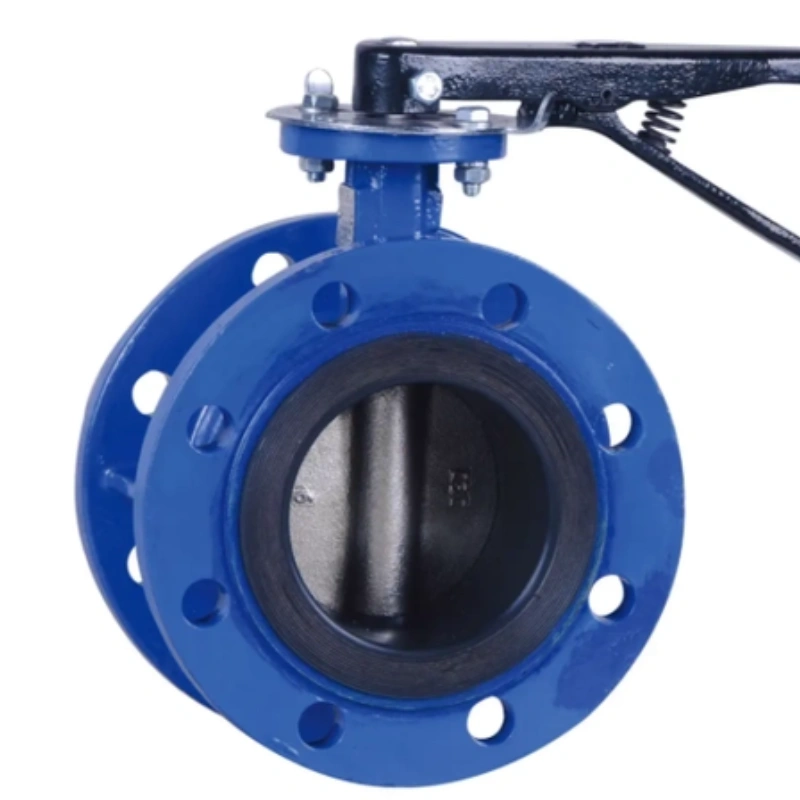
Understanding Control Valves A Focus on 1-2 Inch Models Control valves play a critical role in various industries, acting as the regulatory devices that modulate fluid flow and pressure within closed systems. Their proper functioning is essential for safe operations in sectors such as oil and gas, water treatment, and manufacturing. In this article, we will delve into the specifics of control valves, particularly focusing on the 1-2 inch models, discussing their construction, applications, and maintenance. What is a Control Valve? A control valve is a device that regulates the flow of a fluid by varying the size of the flow passage as directed by a signal from a controller. The actuator responds to the control signal to adjust the valve opening, influencing the flow rate and pressure of the fluid passing through it. Common types of control valves include globe valves, ball valves, butterfly valves, and diaphragm valves, each offering unique benefits depending on the application. Sizes and Specifications Control valves come in various sizes, with the 1-2 inch range being particularly versatile. These compact valves are ideal for many applications, including HVAC systems, irrigation, and various chemical processing environments. The one-inch models typically handle flow rates from 10 to 60 gallons per minute, while two-inch models can accommodate much higher flow rates, making them suitable for larger systems. When selecting a control valve, it is crucial to consider factors such as the fluid type, temperature, pressure conditions, and flow characteristics. The valve must be capable of handling the specific conditions to ensure operational efficiency and longevity. Applications of 1-2 Inch Control Valves 1. Water and Wastewater Management In municipal and industrial water treatment plants, 1-2 inch control valves are used to regulate the flow of treated water and the discharge of wastewater. By ensuring optimal flow rates, they help in maintaining the effectiveness of purification processes. 2. Chemical Processing The chemical industry often uses control valves to manage the precise flow of reactants . For processes requiring strict adherence to flow rates, the 1-2 inch range offers precise control without taking up valuable space in the facility. control valve 1 2 inch 3. HVAC Systems In heating, ventilation, and air conditioning (HVAC) systems, control valves help maintain desired environmental conditions by regulating the flow of air and refrigerants, ensuring energy efficiency and comfort. 4. Agricultural Applications Farmers utilize these control valves in irrigation systems to manage the flow of water to crops, optimizing water usage and improving yield. Maintenance of Control Valves Proper maintenance of 1-2 inch control valves is essential to ensure their efficient and reliable operation. Here are several key maintenance practices - Regular Inspections Periodically check for leaks, corrosion, and wear. Regular inspections will help identify potential issues before they lead to valve failure. - Calibration Ensure that the control system accurately reflects the valve position. Calibration is essential for maintaining desired flow rates and pressure controls. - Actuator Maintenance The actuator, responsible for opening and closing the valve, should be regularly inspected and maintained to prevent failure that could disrupt operations. - Cleaning Accumulation of debris can affect valve performance. Regular cleaning, depending on the fluid characteristics, can help maintain optimal functionality. Conclusion Control valves, especially those in the 1-2 inch range, are vital components in the regulation of fluid systems across various industries. Their ability to manage flow rates and pressure levels directly impacts operational efficiency and safety. By understanding their design, applications, and the importance of maintenance, operators can maximize their performance and extend their service life. As technology advances, more sophisticated control valves with greater accuracy and automation capabilities are expected to emerge, further enhancing process control and efficiency across industries.
-

High quality industrial productsagement

High quality industrial products
View Details -

Meet the diverse needs of customers

Meet the diverse needs of customers
View Details -

Strict quality control

Strict quality control
View Details -

Top raw materials

Top raw materials
View Details -

Trusted supplier

Trusted supplier
View Details
Our application

news and information
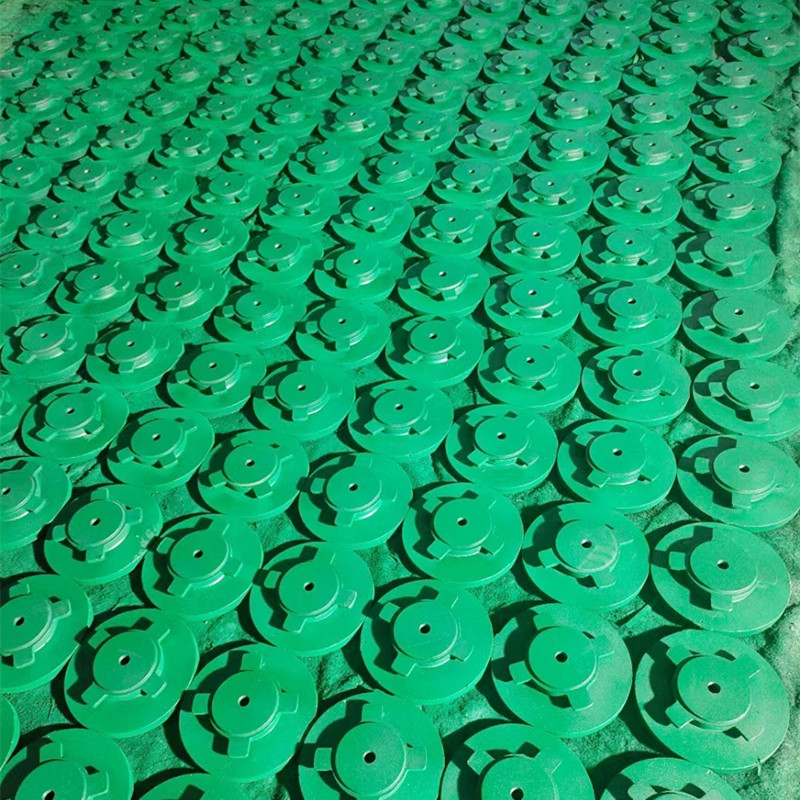
Versatile 5 8% Welding Table Clamps for Precision Metalworking and Fabrication
The Importance of 5% and 208% Welding Table Clamps in Modern Fabrication In the world of metal fabri
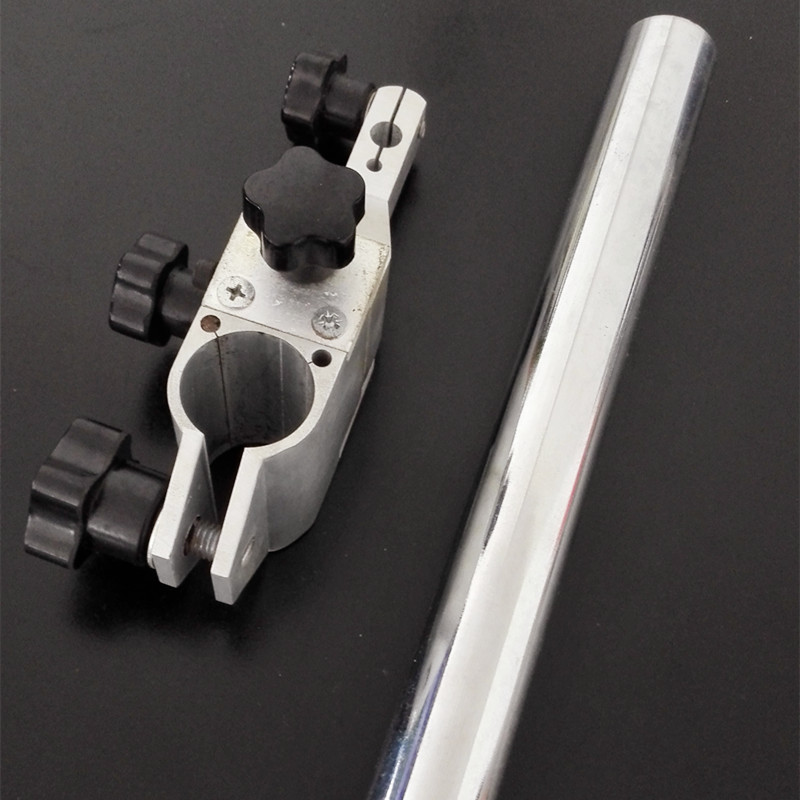
Using a Horizontal Spirit Level for Accurate Measurements in Construction Projects
Understanding the Horizontal Spirit Level A Guide to Precision and Accuracy In the realms of constru
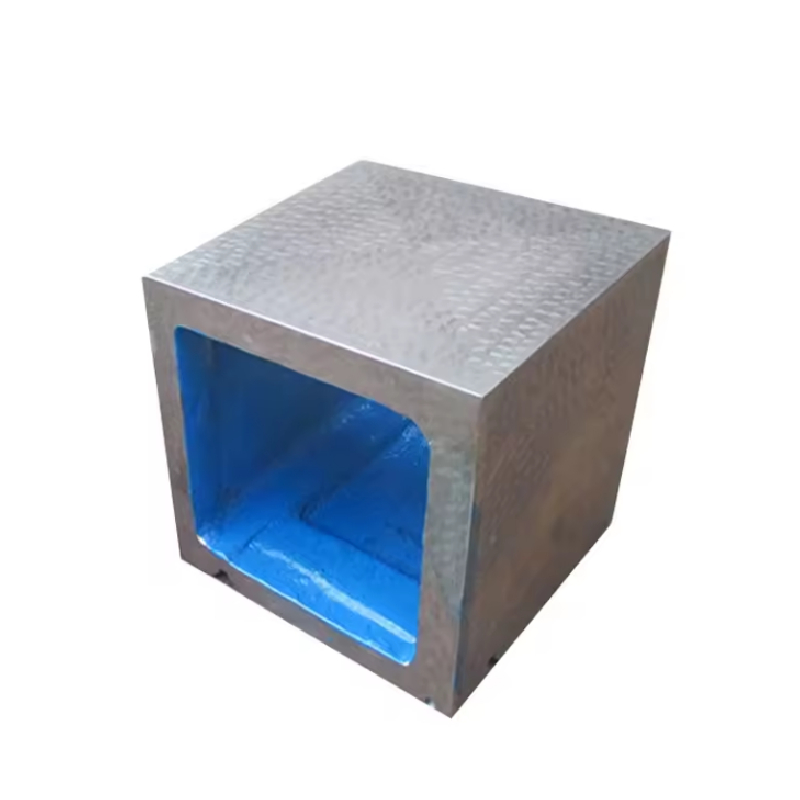
welding table clamps
The Importance of Welding Table Clamps in Metalworking Welding is a fundamental process in metalwork
 English